
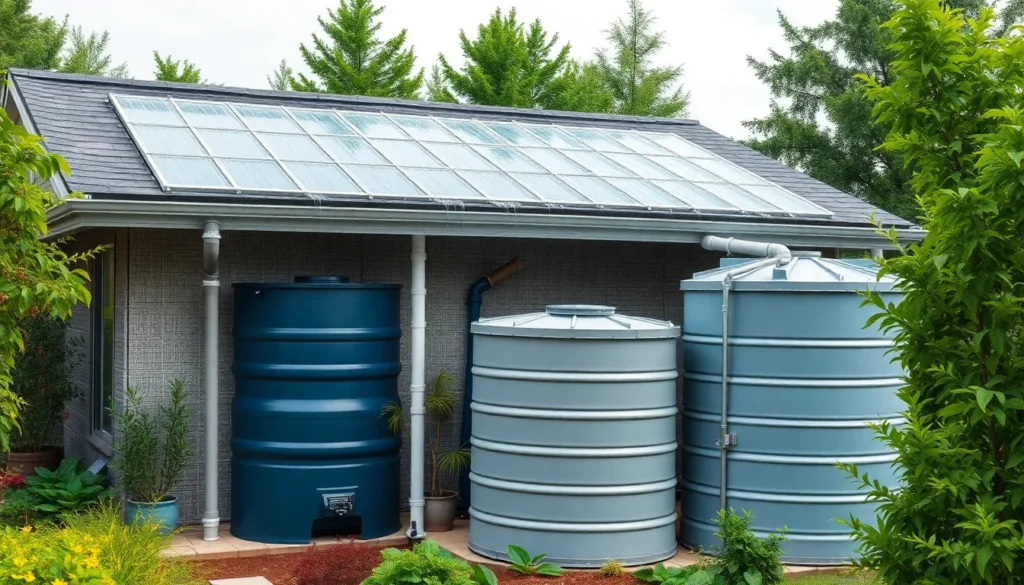
As water scarcity becomes an increasingly pressing issue, innovative solutions like rainwater harvesting systems are gaining attention. These systems capture and store rainwater for various uses, transforming a natural resource into a sustainable water supply. By utilizing rainwater, households and communities can reduce their reliance on traditional water sources, making a significant impact on conservation efforts.
Rainwater harvesting isn’t just eco-friendly; it also offers economic benefits. Homeowners can lower their water bills while contributing to a greener environment. With the right setup, rainwater can be used for irrigation, flushing toilets, and even drinking, depending on the filtration methods employed. As awareness grows, more people are exploring how these systems can enhance their water management strategies, paving the way for a more sustainable future.
Overview of Rainwater Harvesting Systems
Rainwater harvesting systems involve the collection and storage of rainwater from surfaces like rooftops, driveways, and other impermeable areas. These systems consist of various components, including catchment areas, storage tanks, and filtration systems, designed to optimize water collection and use.
The process begins with rainwater collection, where gutters and downspouts direct water into a storage tank. Depending on system design, large tanks can hold thousands of gallons, accommodating significant rainfall amounts. Filters remove debris and contaminants, ensuring water quality suitable for various uses.
Rainwater harvesting systems support multiple applications, such as irrigation, where collected water nourishes gardens and landscapes. They can supply water for toilet flushing, reducing potable water demand in households. With the right filtration and treatment, rainwater can even become potable, providing clean drinking water in regions facing shortages.
The systems promote sustainability, conserve resources, and reduce stormwater runoff, mitigating flooding and erosion issues. As technology advances, innovative solutions improve system efficiency and effectiveness, making them more accessible to homeowners and communities alike. As such, rainwater harvesting continues to gain traction as a viable element of modern water conservation strategies.
Benefits of Rainwater Harvesting Systems
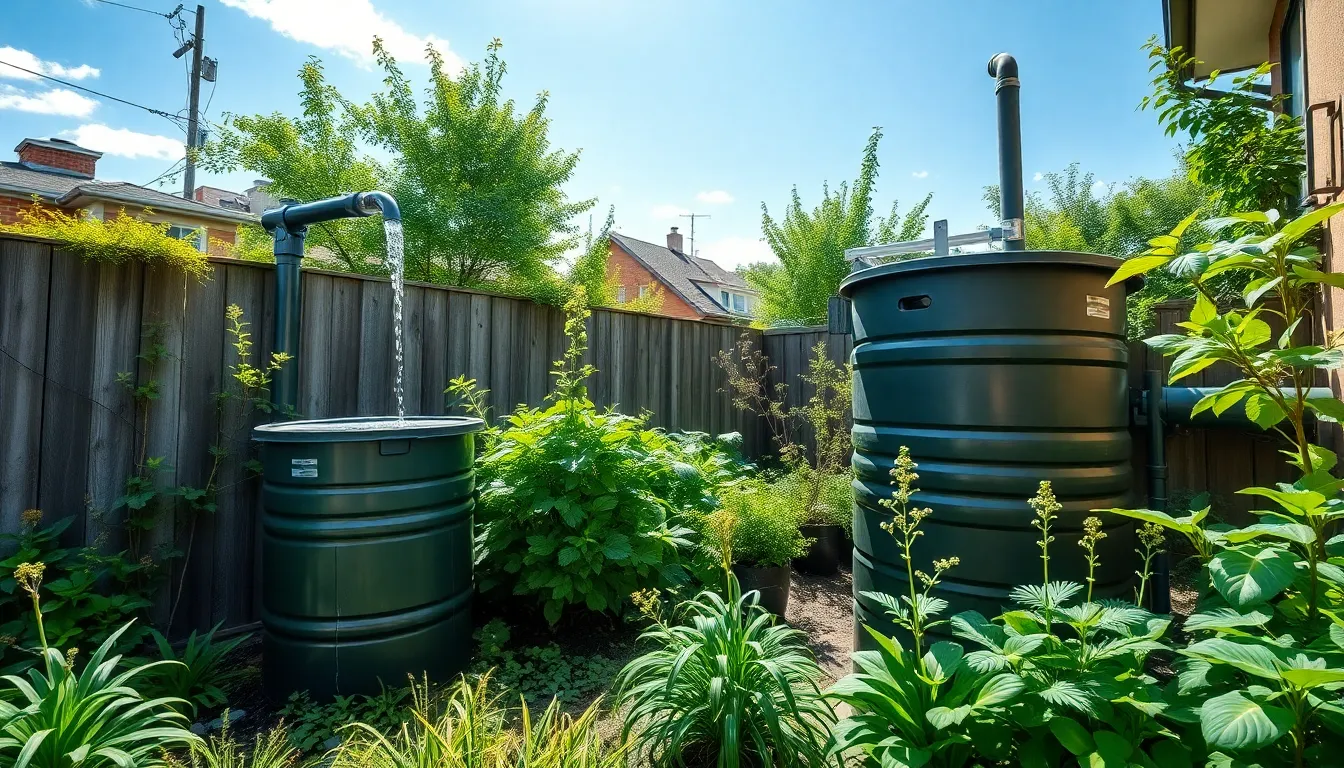
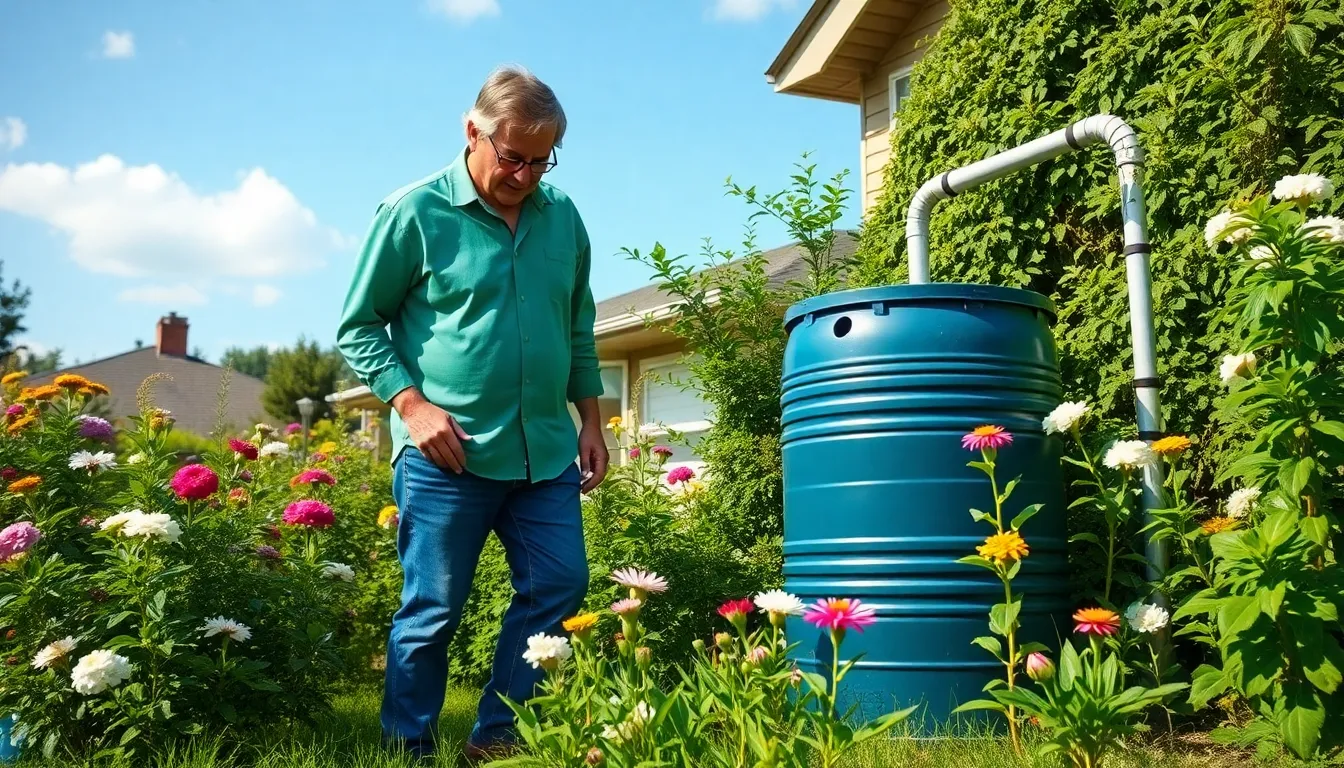
Rainwater harvesting systems offer numerous benefits, both environmentally and economically. These advantages enhance sustainable water management practices while contributing positively to communities and the ecosystem.
Environmental Impact
- Resource Conservation: Rainwater harvesting systems reduce the demand on local water sources, promoting the conservation of groundwater and surface water supplies.
- Reduced Stormwater Runoff: Capturing rainwater minimizes runoff, decreasing flood risks and erosion. This process lowers the burden on drainage systems and reduces the occurrence of water pollution.
- Biodiversity Support: Increased rainwater availability encourages plant growth, supporting urban green spaces and local wildlife habitats.
- Energy Savings: Utilizing rainwater decreases the need for energy-intensive water treatment and distribution processes, further supporting environmental sustainability.
Economic Advantages
- Lower Water Bills: Homeowners using rainwater for irrigation or non-potable purposes can see significant reductions in monthly water expenses.
- Increased Property Value: Properties equipped with rainwater harvesting systems can gain marketability, appealing to environmentally conscious buyers.
- Resource Independence: By relying on rainwater, homeowners reduce their dependency on municipal water supplies, providing resilience against water price increases.
- Government Incentives: Many regions offer tax credits, rebates, or grants for installing rainwater harvesting systems, providing immediate financial benefits to adopters.
These benefits illustrate how rainwater harvesting systems play a crucial role in sustainable living, combining environmental conscientiousness with cost efficiency.
Types of Rainwater Harvesting Systems
Rainwater harvesting systems vary by design and application, offering different techniques for effective water collection and storage. Two primary types exist: rooftop systems and surface runoff systems.
Rooftop Systems
Rooftop systems capture rainwater directly from building roofs. These systems use a series of components to maximize collection efficiency.
- Catchment Area: The roof serves as the primary catchment area, where rainwater falls and flows towards gutters.
- Gutters and Downspouts: Gutters channel the rainwater from the roof, leading to downspouts that direct water into storage tanks.
- Storage Tanks: Tanks, often made from plastic or metal, store harvested rainwater for later use. Sizes vary based on demand and available space.
- Filtration Systems: These systems include various filters to remove debris and contaminants, ensuring safe water for irrigation or, with proper treatment, for drinking.
Rooftop systems are highly efficient and suitable for residential and commercial applications.
Surface Runoff Systems
Surface runoff systems collect rainwater from non-urban surfaces such as roads, parking lots, and fields. They capture larger volumes of water and help manage stormwater.
- Catchment Areas: This type of harvesting uses impervious surfaces like asphalt or concrete as catchment areas, directing runoff into collection systems.
- Drainage Channels: These channels guide water flow from surfaces toward storage units, preventing pooling and erosion.
- Storage Solutions: On-site storage solutions, such as ponds or large cisterns, hold harvested water for future use.
- Water Quality Measures: Systems often implement sediment traps and filtration units, ensuring water quality is maintained before usage.
Surface runoff systems effectively manage excess rainwater while providing a resource for agricultural irrigation or landscape maintenance.
Components of Rainwater Harvesting Systems
Rainwater harvesting systems consist of several essential components that work together to effectively capture, store, filter, and treat rainwater. Understanding these components ensures optimal performance and quality of the harvested water.
Collection and Storage
Collection relies on specific elements to gather rainwater. Catchment areas, typically rooftops, gather rain that flows into gutters and downspouts. These structures channel water into storage tanks, which are crucial for holding the collected rainwater until use. Storage tanks come in various materials, such as plastic, concrete, or metal, and sizes, accommodating different volumes based on local rainfall and intended use.
Additional components include overflow systems, which prevent overflow during heavy rains and protect structural integrity. First flush diverters remove initial contaminants from rainwater, ensuring cleaner water enters the storage tanks. Properly designed collection and storage elements enhance the overall efficiency of rainwater harvesting systems.
Filtration and Treatment
Filtration and treatment components ensure the harvested rainwater meets quality standards. Pre-filters, often located at the entry points of storage tanks, remove debris like leaves and dust. Inline filters further purify the water as it moves toward the intended use points, such as irrigation or household applications.
For potable water applications, advanced filtration systems are necessary. Technologies such as UV treatment or reverse osmosis provide additional purification, making rainwater safe for drinking. Regular maintenance of these filtration systems is vital to ensure reliable, high-quality water.
Overall, understanding the components of rainwater harvesting systems, including collection, storage, filtration, and treatment, enables effective management and utilization of this sustainable water source.
Installation and Maintenance
Installation of rainwater harvesting systems requires careful planning and adherence to local regulations. Essential steps include:
- Site Assessment: Evaluate the property to identify suitable catchment areas, typically rooftops or paved surfaces. Consider the roof material, slope, and surrounding vegetation for optimal water collection.
- System Design: Design the system based on intended uses, such as irrigation or potable water supply. Calculate the required tank size based on average rainfall and water consumption needs.
- Component Selection: Choose quality components, such as gutters, downspouts, storage tanks, and filtration systems. Select materials that are durable and safe for storing water.
- Professional Installation: Hire experienced contractors, if necessary, to ensure proper installation. Follow manufacturer guidelines for all components to guarantee system efficiency.
Maintenance is crucial for the long-term performance of rainwater harvesting systems. Key maintenance tasks include:
- Regular Inspection: Inspect the system at least twice a year for any signs of wear or damage. Examine components like gutters, downspouts, and storage tanks for clogging or leaks.
- Cleaning Gutters: Clean gutters and downspouts regularly to remove debris that can hinder water flow. This should be done at least twice a year, or more frequently in areas with high leaf fall.
- Flushing Systems: Flush the first flush diverters to prevent sediment buildup. This process should occur after heavy rainfall to ensure clean water enters the storage tanks.
- Water Quality Testing: Test the water quality periodically, particularly if using the harvested rainwater for drinking. Use a certified laboratory for reliable results and implement purification systems as necessary.
- Monitor Water Levels: Keep track of water levels in storage tanks to manage usage and ensure adequate supply. Install level indicators for easier monitoring.
By adhering to these installation and maintenance guidelines, rainwater harvesting systems can provide a sustainable and efficient water source for various applications while supporting environmental conservation efforts.

