

Green fashion isn’t just a buzzword anymore it’s a movement reshaping the apparel industry from the ground up. Today’s shoppers aren’t satisfied with clothes that just look good; they want pieces that align with their values, protect the planet, and support ethical labor practices. This shift has brands rethinking everything from materials to packaging.
If you’re a business owner or creative, meeting these expectations isn’t just good ethics it’s smart business. Whether you’re launching a clothing line or producing screen printed t-shirts to bolster your brand, aligning with the green fashion movement can help you connect with a growing, values-driven audience.
1. The Rise of the Conscious Consumer
Research shows that younger generations especially Millennials and Gen Z-are leading the charge for eco-conscious products. They’re more likely to research where materials come from, question a brand’s supply chain transparency, and prioritize products made with low-impact processes.
But it’s not just about fabric. The conscious consumer is interested in every stage of a garment’s lifecycle: sourcing, manufacturing, shipping, and even end-of-life disposal. Brands that can communicate a clear, honest sustainability story are winning both loyalty and market share.
2. Social Media as a Sustainability Spotlight
Social media platforms have given consumers unprecedented access to behind-the-scenes brand stories. A single viral post exposing unethical practices can damage a brand’s reputation overnight, while a well-crafted transparency campaign can win thousands of new followers.
This visibility has fueled the demand for green fashion. Shoppers now expect regular updates on eco-friendly initiatives, proof of sustainable sourcing, and third-party certifications. Brands that deliver transparency often find their customers becoming advocates who share and promote their efforts online.
3. Quality Over Quantity
Fast fashion’s “buy more, wear less” model is losing favor among conscious consumers. Instead, the trend is shifting toward timeless, durable pieces that stand the test of time. This benefits sustainable brands because higher quality often goes hand in hand with lower environmental impact.
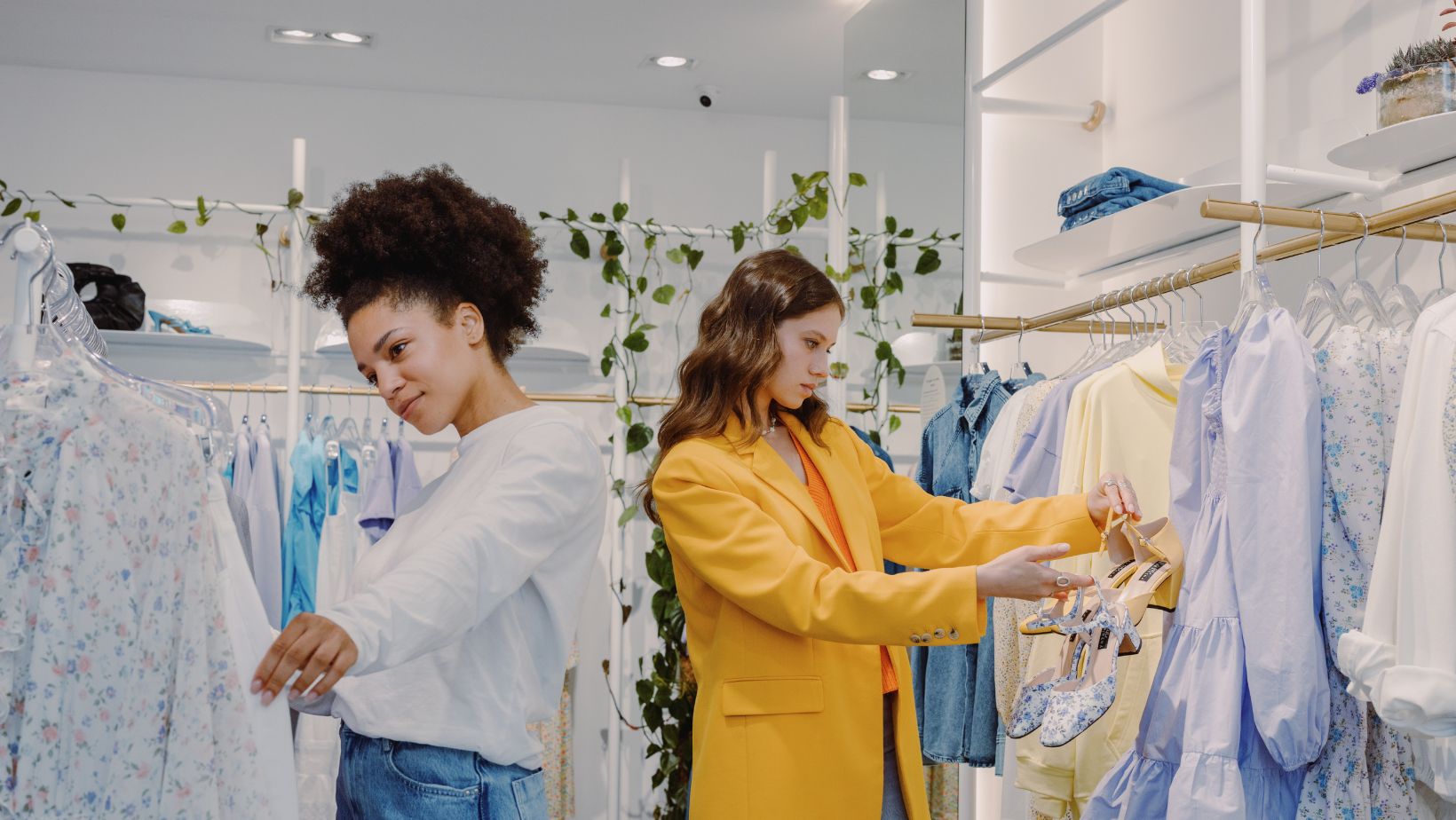
Eco-conscious buyers are willing to invest more in a product they know will last especially if it’s made from organic fibers, recycled materials, or produced with low-waste techniques.
4. The Push for Circular Fashion
Circular fashion aims to keep clothing in use longer and out of landfills. It’s about designing garments for reuse, resale, repair, and recycling. Thrift stores, resale apps, and brand-led take-back programs are all part of this growing movement.
Consumers are increasingly choosing brands that embrace circularity. Whether it’s repair guarantees or incentives to return old garments, these programs appeal to customers who want to reduce waste without sacrificing style.
5. How Brands Can Meet the Demand
For established brands:
- Audit your supply chain to identify areas for improvement.
- Offer limited, high-quality collections rather than mass drops.
- Highlight your sustainability efforts in marketing materials.
For new businesses:
- Start small with eco-friendly materials like organic cotton or recycled polyester.
- Work with local or certified manufacturers to reduce your carbon footprint.
- Use sustainable packaging and encourage customers to recycle it.
For all businesses:
- Be transparent. Share both your wins and your challenges.
- Engage customers in your sustainability journey through surveys, events, or online communities.

